
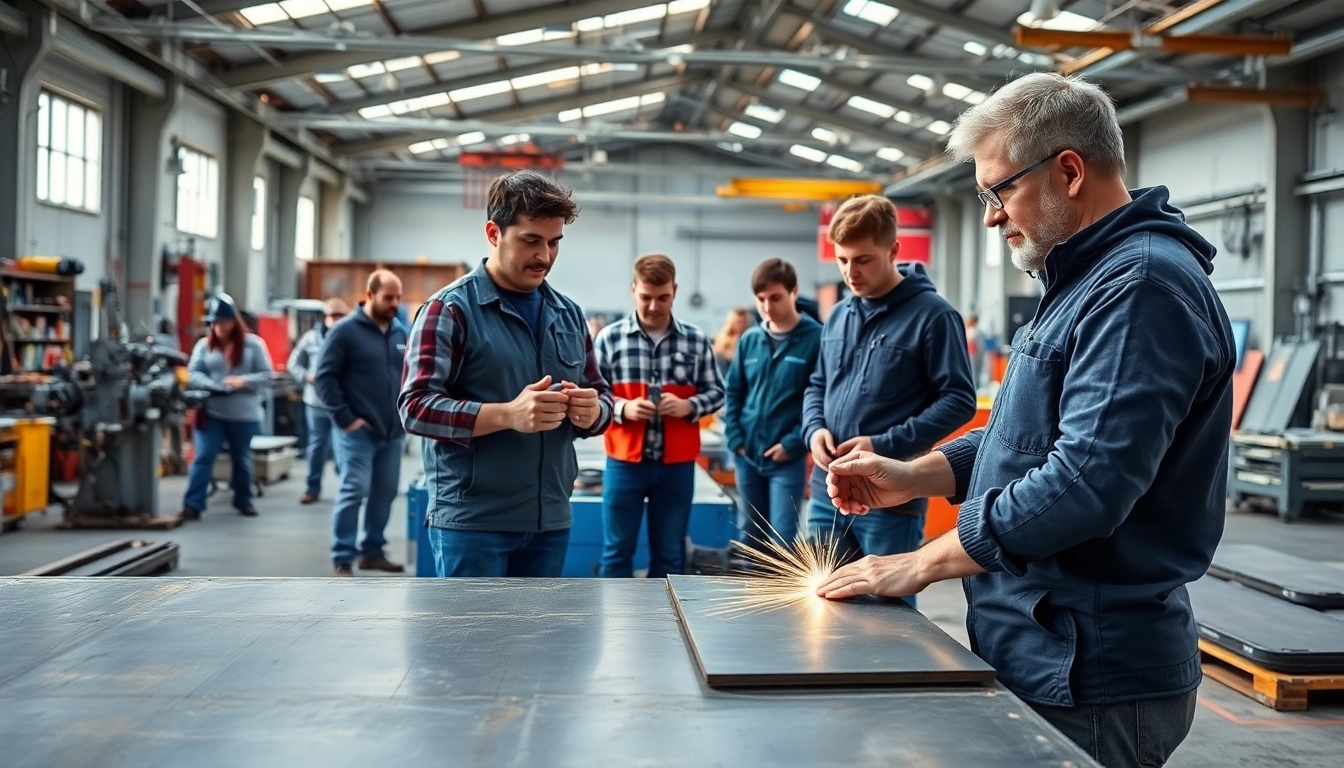
Understanding the Basics of Sheet Metal Training
Introduction to Sheet Metal Work
Sheet metal work is a vital component in various industries, including construction, automotive, and aerospace. This discipline involves transforming flat sheets of metal into useful products through various techniques. The importance of solid sheet metal training cannot be overstated, as it equips individuals with the necessary skills and knowledge to excel in this field. With the world increasingly relying on metal components, mastering the intricacies of sheet metal work opens doors to numerous career opportunities.
Essential Tools for Training
Effective sheet metal training requires an understanding of the fundamental tools involved in the craft. Essential tools include:
- Snips: Used for cutting metal sheets into various shapes.
- Shears: Larger machines that can cut thicker sheets more efficiently.
- Hammers: For shaping and forming metal sheets.
- Vises: To hold sheets securely while working.
- Welding Equipment: Essential for joining parts accurately.
Familiarizing oneself with these tools during training ensures a smoother transition into professional work.
Safety Protocols in the Workshop
Safety should always be a priority in any workshop environment. Understanding and adhering to safety protocols can prevent accidents and injuries. Key safety practices include:
- Wearing appropriate personal protective equipment (PPE), such as gloves, goggles, and ear protection.
- Maintaining a clean workspace to avoid trips and falls.
- Understanding and respecting tool safety guidelines.
- Regularly inspecting equipment to ensure it’s in good working condition.
By instilling a culture of safety, trainees can develop responsible habits that will serve them well throughout their careers.
Core Techniques in Sheet Metal Training
Measuring and Marking Methods
Accurate measurement and marking are critical in sheet metal work. Techniques such as using a steel ruler and a scribe for marking shapes aid in precise cutting. Additionally, learning to read and apply tolerances is essential, as even minor discrepancies can lead to significant issues in assembly. Trainees should practice measuring with different tools to gain confidence and accuracy in their work.
Cutting and Shaping Metal Sheets
Cutting and shaping techniques vary depending on the type of metal and the desired finish. Common methods include:
- Manual Cutting: Using hand tools like snips for thinner sheets.
- Power Shears: Helpful for cutting thicker or larger metal sheets.
- Laser Cutting: Offers precision for intricate designs.
Understanding when and how to use each method can significantly enhance a sheet metal worker’s efficiency and output quality.
Joining Techniques: Welding and Beyond
Joining pieces together properly is crucial in sheet metal fabrication. While welding is one of the most effective methods, trainees should also learn about:
- Riveting: A permanent fastening method ideal for high-stress applications.
- Screwing: Allows for disassembly and easy repairs.
- Adhesives: Use in situations where welding may not be suitable.
Mastering these techniques not only ensures durability but also enhances the versatility of a sheet metal worker’s skill set.
Advanced Skills for Proficient Sheet Metal Workers
Design Principles in Sheet Metal Fabrication
Design is a critical aspect of sheet metal work. Trainees must learn about design principles to create effective and functional pieces. Understanding concepts like:
- Geometric Relationships: Helps in maximizing material use.
- Structural Integrity: Important for ensuring the durability of the final product.
- Aesthetic Considerations: Relevant in product design for consumer satisfaction.
By incorporating these principles, trainees can significantly improve their design capabilities, enhancing their overall skill set.
Finishing Techniques for Quality Assurance
Finishing techniques play a vital role in the final product appearance and longevity. Common finishing methods include:
- Powder Coating: Provides a protective and attractive finish.
- Plating: Enhances aesthetic appeal and corrosion resistance.
- Polishing: Essential for achieving a smooth, shiny surface on metal parts.
Understanding and applying these techniques are vital for ensuring that the finished products meet high standards of quality.
Maintenance of Tools and Equipment
Effective tool and equipment maintenance is fundamental to ensuring safety and longevity. Important practices include:
- Regular cleaning and inspection of tools.
- Proper storage after use to prevent damage.
- Timely repairs to avoid safety hazards.
By instilling these practices during training, trainees learn to value their equipment, ensuring better work outcomes.
Choosing the Right Training Program
Factors to Consider in Training Selection
Selecting the right training program can make a significant difference in a trainee’s career trajectory. Factors to consider include:
- Program Content: Ensure that it covers essential skills and techniques thoroughly.
- Instructor Qualifications: Look for programs led by experienced professionals.
- Hands-on Experience: Practical training is crucial for skill development.
With the right program, trainees can gain the knowledge and experience necessary to excel in sheet metal work.
Evaluating Different Training Providers
As you explore training options, evaluating various providers is essential. Considerations include:
- Reputation in the industry: Seek feedback from alumni or industry professionals.
- Accreditation: Ensure that the training provider is recognized.
- Resources available for students: Access to tools, materials, and workshop space is vital.
Taking the time to evaluate these factors can help you find the right fit for your educational goals.
Cost vs. Value in Sheet Metal Education
When assessing training programs, it’s important to balance cost with the value offered. While cheaper programs may seem attractive, they could lack critical instructional quality or real-world applicability. Consider factors such as:
- Quality of instruction provided.
- Opportunities for hands-on learning.
- Job placement assistance post-training.
Investing wisely in your training can yield better job prospects and an enhanced skill set, making it worthwhile in the long run.
Frequently Asked Questions About Sheet Metal Training
What are the prerequisites for sheet metal training?
Typically, no specific prerequisites exist, but basic math skills and a high school diploma can be helpful. Some programs may require hands-on experience or familiarity with tools.
How long does it take to become proficient in sheet metal work?
Proficiency can vary based on the training program and individual dedication. Generally, it takes several months to a few years, depending on the complexity of skills being learned.
Are online courses available for sheet metal training?
Yes, many educational institutions now offer online courses in sheet metal training, providing flexible learning options while still delivering essential knowledge and skills.
What industries utilize sheet metal work extensively?
Industries such as construction, automotive, aerospace, HVAC, and manufacturing heavily rely on sheet metal work for fabricating components and structures.
How can I find job opportunities after completing training?
Networking with instructors and fellow students, utilizing job placement services provided by training programs, and searching online job boards are effective ways to discover job opportunities.