
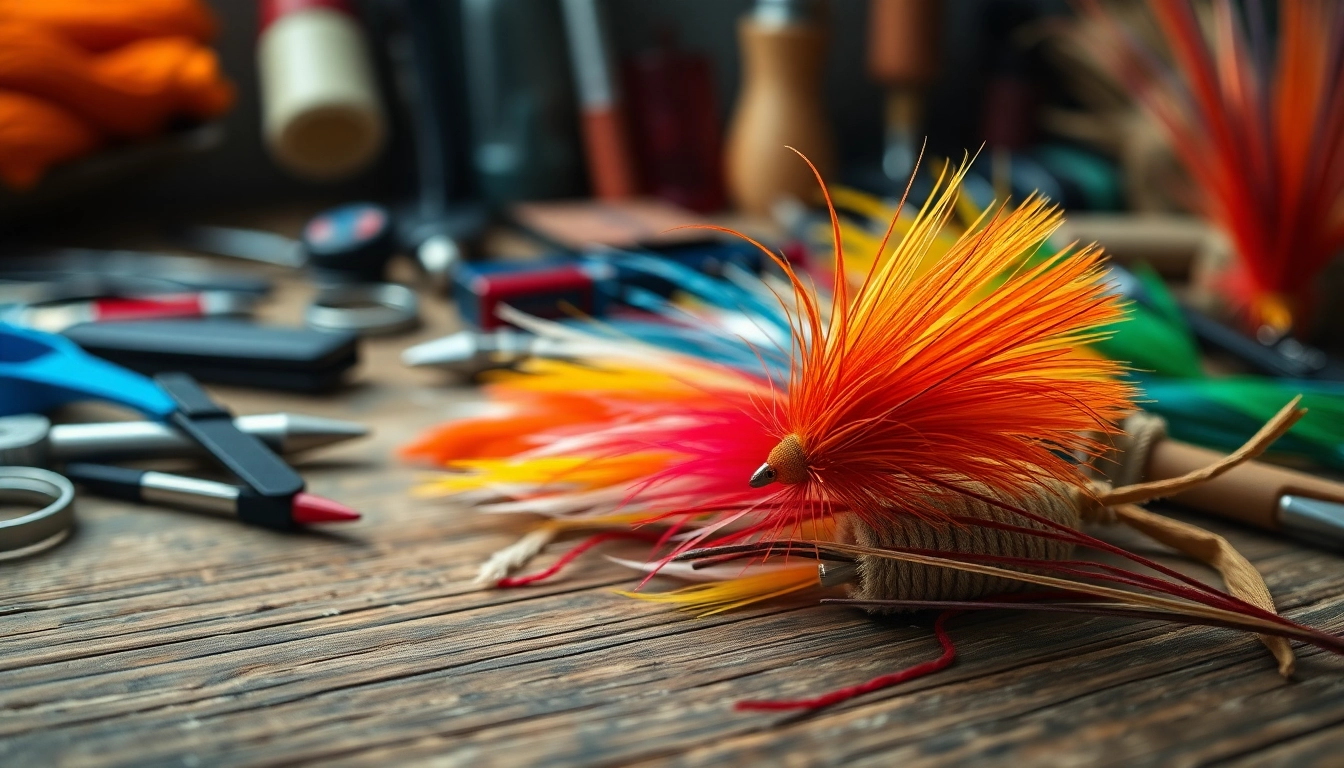
Introduction to Fly Tying
For those who appreciate the serenity of fishing, mastering the craft of fly tying can significantly enhance the fishing experience. This art combines creativity, precision, and patience, transforming simple materials into life-like representations of insects and other aquatic organisms that attract fish. Fly tying is more than a skill; it’s a passionate pursuit interwoven with tradition and innovation.
What is Fly Tying?
Fly tying is the process of creating artificial flies used in the sport of fly fishing. These flies mimic the appearance and behavior of fish prey, such as insects, crustaceans, and even small fish. The process typically involves tying various materials—feathers, threads, fur—onto a hook to create the finished product that can effectively lure fish. Understanding the intricacies and nuances of fly tying opens up a world of fishing opportunities and enhances one’s enjoyment of the great outdoors.
History and Evolution of Fly Tying
The origins of fly tying can be traced back to ancient civilizations, where rudimentary forms of artificial lures were crafted from local materials. The modern art of fly tying began to take shape in the 19th century, particularly in England. With advancements in materials and techniques, the evolution of fly tying has reflected changes in fishing practices, preferences, and scientific understandings of fish behavior. Today, fly tying boasts a rich history intertwining art and science, with patterns designed to closely imitate nature.
Benefits of Learning Fly Tying
Learning fly tying offers many benefits beyond enhancing your fishing arsenal. Firstly, it fosters creativity as you experiment with different patterns and materials. It also allows for customization, enabling you to create flies specifically tailored to your local fishing conditions. Additionally, mastering fly tying can save money, as buying flies can be expensive over time. Perhaps most importantly, it cultivates a deeper connection to the craft and nature, enriching the overall fishing experience.
Essential Tools for Fly Tying
Equipping yourself with the right tools is crucial for successful fly tying. From basic tools for beginners to advanced equipment for seasoned tyers, having the right toolkit will significantly enhance your tying experience. Let’s explore both basic and advanced tools needed for effective fly tying.
Basic Tools Needed for Fly Tying
Every novice fly tyer should start with some fundamental tools, which include:
- Vice: A quality fly vice is essential for securely holding the hook while you work.
- Scissors: Sharp scissors are necessary for cutting materials with precision.
- Bodkin: This pointed tool helps apply glue or can be used to separate materials.
- Thread: Strong thread is vital for tying materials to the hook securely.
- Hackle Pliers: These are used to grip feathers or fibers while wrapping them around the hook.
- Whip Finish Tool: A tool to create a secure knot at the fly’s head.
Advanced Equipment for Serious Tyers
For those who have refined their skills and are ready to take their fly tying to the next level, the following equipment can enhance the tying experience:
- Rotary Vice: Allows for 360-degree rotation of the hook, making it easier to apply materials evenly.
- Light Source: A bright light can help you focus on intricate details.
- Dubbing Twister: Useful for creating custom dubbing loops effectively.
- Material Organizers: These keep your materials organized, allowing for efficient workflow.
- Velcro Strips: Handy for creating and maintaining your dubbing material’s structure.
Choosing the Right Materials for Fly Tying
Selecting the right materials is essential when tying successful flies. Consider the following categories to enhance your creations:
- Hooks: Use the appropriate size and shape based on the fly pattern and target species.
- Threads: Different weights and colors cater to different patterns.
- Furs and Hairs: Natural materials like rabbit fur and deer hair are popular due to their realism.
- Feathers: Choose materials like hackle, marabou, and bucktail for added movement and lifelike appearances.
- Beads and Eyes: Adding weight can help your fly sink faster, and eyes can mimic the appearance of prey.
Step-by-Step Fly Tying Techniques
Once you have your tools and materials ready, it’s time to dive into the techniques of fly tying. Whether you’re just starting or looking to improve your skills, these techniques will help you create beautiful and effective flies.
Basic Fly Tying Techniques for Beginners
As a beginner, it’s essential to familiarize yourself with some foundational techniques, including:
- The Wrap: This technique involves wrapping thread around the hook to secure materials. A tighter wrap provides a better hold.
- Creating a Tail: Start by tying in materials at the hook’s bend to form a tail that mimics fish prey.
- Setting the Body: Use dubbing to create the fly’s body, ensuring the materials are applied evenly.
- Finishing Moves: Learn to secure any loose threads with a whip finish before trimming excess materials.
Intermediate Techniques to Enhance Your Skills
As you progress, focus on enhancing your skill set with intermediate techniques:
- Using Dubbing Loops: This technique allows for varying the body thickness and incorporating flash or additional materials into your flies.
- Adding Weight: Learn how to integrate weight into your flies to control the sink rate.
- Techniques for Winged Flies: Mastering how to tie wings in a balanced manner is crucial for streamers and dry flies.
- Creating Realistic Legs: Incorporating materials that mimic legs or antenna will add a life-like element to your flies.
Advanced Patterns and Techniques for Experts
For expert tyers, the following advanced patterns and techniques showcase the pinnacle of fly tying creativity:
- Legacy Patterns: Explore timeless patterns such as the Woolly Bugger or Adams, which demand finesse to tie accurately.
- Modern Innovations: Experiment with contemporary materials like synthetic fibers which offer unique effects.
- Combining Patterns: Create hybrid flies that draw from various patterns to spark fish interest.
- Experimentation: Don’t be afraid to develop your original patterns tailored to your local fishing conditions and baitfish.
Common Challenges in Fly Tying
Fly tying, like any craft, comes with its set of challenges. Understanding how to overcome these common issues will ensure a smoother tying experience.
Overcoming Common Mistakes
Beginners often face silly mistakes like:
- Loose Materials: Ensure firm wraps to prevent materials from coming loose while fishing.
- Improper Materials: Use materials suited for your fly pattern to avoid structural issues.
- Neglecting Proportions: Balance in the fly’s design is key; make sure parts are proportional for a natural look.
Dealing with Material Limitations
Finding specific materials can be challenging, but creativity can save the day:
- Substitutions: Understand material substitutions; you can use similar textures and colors to maintain the pattern’s integrity.
- Local Sourcing: Explore local craft stores or foraging options for natural tying materials.
- Online Forums: Engage with the community for tips on sourcing unusual materials or innovative usages.
Time Management While Tying
Time spent tying can become overwhelming, especially for detailed patterns. To manage your time efficiently:
- Practice Batch-Tying: Create multiple flies of the same pattern in one session.
- Set a Timer: Allocate specific time slots to avoid burn-out.
- Prioritize Projects: Choose patterns based on urgency for upcoming fishing trips and plan accordingly.
FAQs About Fly Tying
What materials do I need to get started with fly tying?
To start fly tying, you need feathers, threads, hooks, and basic tools like scissors and a vice.
How long does it take to learn fly tying?
Everyone learns at different rates, but beginners can expect to gain basic skills within a few weeks of practice.
Are there specific fly patterns for different fish?
Yes, certain fly patterns work better for specific fish species; it’s essential to choose based on your target fish.
Can I tie flies without prior experience?
Absolutely! Many resources and tutorials cater to beginners, making it easy to learn the basics.
How do I store my tied flies properly?
Store flies in a dry, ventilated container to prevent moisture and damage, keeping them organized for easy access.