
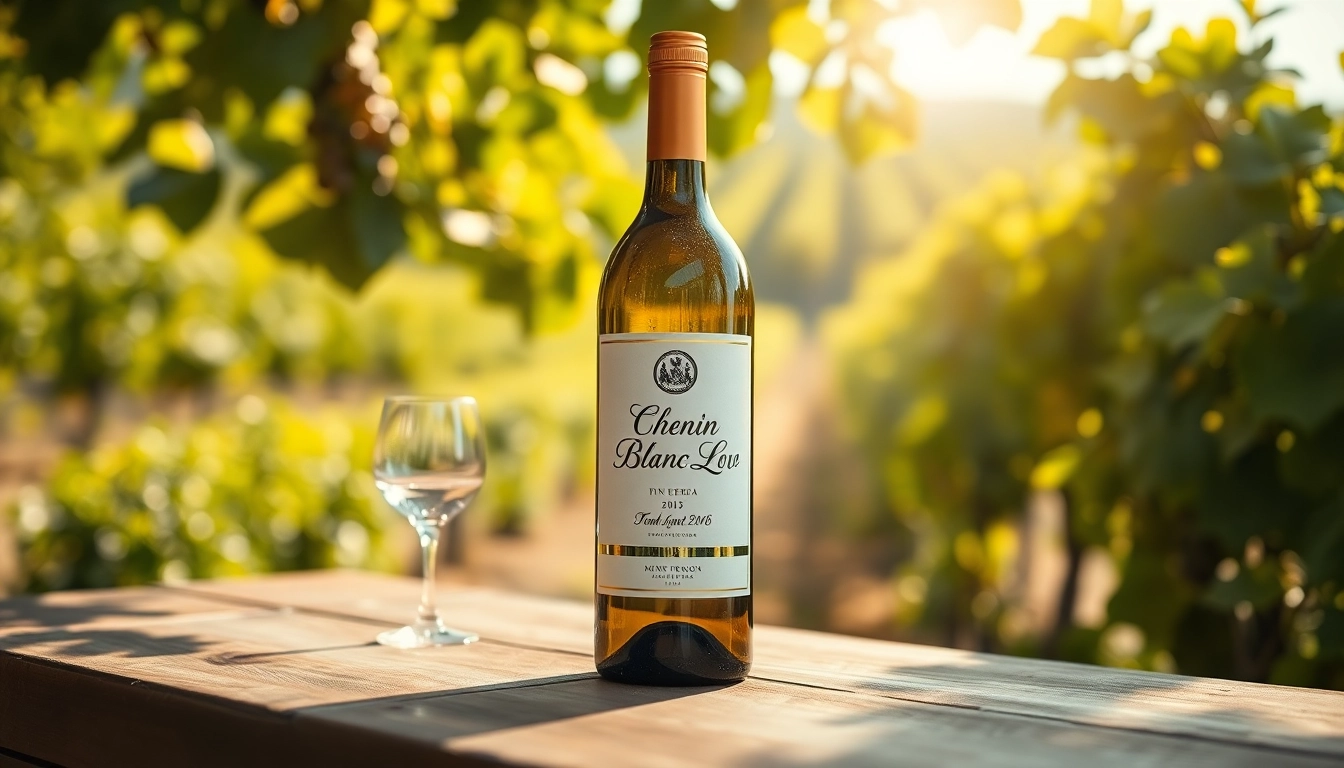
Understanding Chenin Blanc and Its Unique Characteristics
What is Chenin Blanc?
Chenin Blanc is a versatile and expressive white wine grape variety originating from the Loire Valley in France. Characterized by its adaptability and wide range of styles, this grape can produce wines that vary from incredibly dry to decadently sweet. The beauty of Chenin Blanc lies not only in its flavor profiles but also in its ability to reflect the terroir from which it is grown.
Flavor Profile and Aromas
Chenin Blanc is renowned for its diverse flavor profile and aromatic complexity. Common flavor notes include apple, pear, honey, and floral undertones, which can evolve depending on the wine’s sweetness and the aging process. Dry styles exhibit crisp acidity with bright fruit flavors, while sweet versions showcase luscious notes of ripe tropical fruits and honey, delivering depth and richness. This diversity makes Chenin Blanc an exciting choice for wine enthusiasts.
Regions Famous for Chenin Blanc
The most notable regions for Chenin Blanc production are found in the Loire Valley, particularly in Vouvray and Savennières. Vouvray, with its chalky soils, is known for producing both sweet and dry styles, often showcasing the grape’s crisp acidity and fruity character. Savennières offers a more robust interpretation, with wines that exhibit minerality and the potential for aging. Outside of France, South Africa has gained prominence for its Chenin Blanc wines, often characterized by ripe stone fruits and refreshing acidity.
Food Pairing: Complementing Chenin Blanc with Meals
Best Food Matches for Chenin Blanc
Chenin Blanc’s versatility makes it an excellent companion for a wide range of dishes. Its high acidity complements rich, fatty foods, while its fruitiness can balance spicy cuisines. Pairing Chenin Blanc with roasted chicken or turkey enhances the mild flavors of the meat, while seafood dishes like grilled shrimp or scallops benefit from the wine’s refreshing qualities.
Pairing with Cheese and Charcuterie
When it comes to cheese, Chenin Blanc shines alongside creamy Brie or tangy goat cheese. The wine’s acidity cuts through the richness, creating a well-balanced palate. Charcuterie boards featuring prosciutto, salami, and a variety of pickles can also be beautifully complemented by Chenin Blanc, enhancing both the wine and the food experience through contrasting flavors and textures.
Creating Memorable Dinners with Chenin Blanc
For a memorable dining experience, consider a menu centered around Chenin Blanc. Start with a fresh salad drizzled with a citrus vinaigrette, followed by a main course of herb-marinated grilled fish served with seasonal vegetables. Finish the meal with a light fruit tart paired with a late harvest Chenin Blanc to highlight the dessert’s sweetness, leaving your guests delighted.
How to Choose High-Quality Chenin Blanc Wine
Reading Wine Labels Effectively
Understanding wine labels is essential to selecting quality Chenin Blanc. Look for the region of origin, as wines from the Loire Valley typically indicate higher quality due to established winemaking traditions. Additional information such as the vintage can also provide insight into the wine’s flavor profile, as weather conditions significantly impact grape quality.
Understanding Terroir and Its Impact
Terroir—the unique combination of soil, climate, and vineyard management—plays a vital role in a wine’s character. In the case of Chenin Blanc, different terroirs yield distinct flavor profiles. The chalky soils of the Loire Valley imparts a mineral quality, while the sandy soils of regions in South Africa might produce fruit-forward expressions. Understanding these differences helps in choosing a wine that aligns with your taste preferences.
Tasting Tips for Chenin Blanc
To fully appreciate Chenin Blanc, proper tasting techniques can enhance your experience. First, observe the wine’s color, which can range from pale yellow to deep gold. Swirl the wine gently to release its aromas and take a moment to inhale, identifying the various scents. Finally, take a sip and let the wine linger on your palate, noting its acidity, sweetness, and any complexities. This mindful approach will deepen your appreciation for the unique qualities of Chenin Blanc.
Storing and Serving Chenin Blanc Properly
Optimal Storage Conditions
To maintain the quality of Chenin Blanc, it is essential to store it properly. Ideally, bottles should be kept in a cool, dark place with a consistent temperature between 50-55°F. Horizontal storage helps keep corks moist to prevent oxidation. Avoid areas that experience vibration or humidity fluctuations, as these factors can adversely affect the wine’s aging potential.
Serving Temperatures for Flavor Enhancement
The ideal serving temperature for Chenin Blanc varies depending on its style. Dry Chenin Blanc is best served chilled at around 45-50°F, which emphasizes its crisp acidity and fruitiness. In contrast, sweeter versions can be served slightly warmer, around 50-55°F, to enhance their luscious flavors. Ensuring the correct temperature maximizes the wine’s aromatic qualities and overall enjoyment.
Glassware: Why It Matters
The choice of glassware can also influence your tasting experience. For Chenin Blanc, a medium-sized white wine glass is recommended, as it allows for proper aeration while concentrating the aromas. The shape of the glass should facilitate swirling to release the wine’s bouquet, enhancing your senses and appreciation of its unique characteristics.
Frequently Asked Questions about Chenin Blanc
What Makes Chenin Blanc Different from Other Wines?
Chenin Blanc is distinct due to its incredible versatility and ability to express a range of styles from dry to sweet. Its high acidity and unique flavor profiles set it apart from other white wine varieties, allowing it to pair well with diverse dishes.
Can Chenin Blanc be Sweet or Dry?
Yes, Chenin Blanc can be both sweet and dry. In fact, it is known for producing wines that span the sweetness spectrum—from bone-dry styles to luscious dessert wines, making it a versatile option for various tastes.
What are the Best Vintage Years for Chenin Blanc?
While vintage quality can vary, some exceptional years for Chenin Blanc often include those with favorable weather conditions in renowned regions like the Loire Valley. Consulting with local wine experts or guides can help identify the best vintages for selection.
How Should I Store Leftover Chenin Blanc?
Leftover Chenin Blanc should be re-corked and stored in the refrigerator to maintain its freshness. Most white wines can last 3-5 days after opening if stored properly, but it’s best to consume it as soon as possible for optimal taste.
Is Chenin Blanc Good for Aging?
Yes, Chenin Blanc has excellent aging potential. Higher-quality examples, particularly those from the Loire Valley, can develop complex flavors and aromas over time. Proper storage conditions are essential for successful aging.