What is lvp flooring?
Understanding Luxury Vinyl Plank
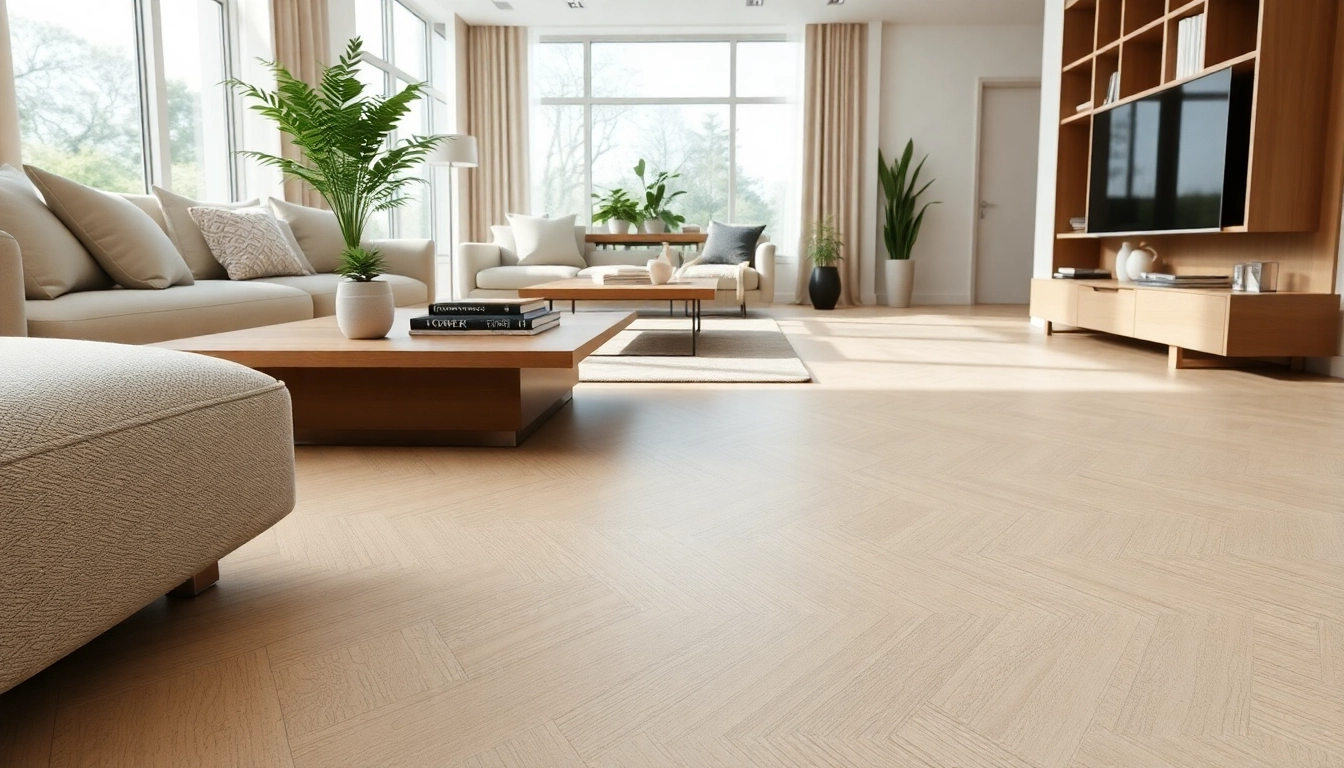
Luxury Vinyl Plank, commonly referred to as lvp flooring, is a premium flooring option designed to replicate the beauty of hardwood, stone, or tile flooring while incorporating modern advancements in durability and style. This product is constructed from multiple layers: a durable top layer that resists scratches, dents, and stains, a design layer that showcases beautiful visuals, a core layer for structure, and a backing layer for increased comfort and insulation. The synthetic materials used in lvp flooring provide an appealing alternative for homeowners looking for elegant and practical flooring solutions.
Features of lvp flooring
One of the essential features of lvp flooring is its versatility. Available in a wide array of designs, colors, and textures, it can imitate numerous natural materials, from rustic wood to sleek stone. Due to its multi-layer construction, lvp flooring is exceptionally resilient to heavy foot traffic, making it ideal for residential and commercial applications. Additionally, it is often water-resistant, which opens up various potential uses, including in kitchens and bathrooms. The flooring also exhibits sound-absorption properties, contributing to a quieter living environment.
Common Uses in Home Design
Homeowners commonly use lvp flooring in various settings due to its compatibility with different design aesthetics. Whether a contemporary, traditional, or eclectic style, lvp flooring can enhance the visual appeal of any space. It is popular in living rooms, hallways, and dining areas, while its water-resistant qualities make it an excellent choice for laundry rooms, kitchens, and bathrooms. Furthermore, lvp flooring is suitable for both residential and light commercial spaces, making it versatile for a range of applications.
Benefits of lvp flooring
Cost-effectiveness and Durability
One of the most compelling advantages of lvp flooring is its cost-effectiveness. Compared to traditional hardwood or tile flooring, lvp flooring typically comes at a fraction of the price. With lower material costs, installation is also easier and less labor-intensive, further enhancing its affordability. Additionally, the durability of lvp flooring can lead to significant long-term savings, as it is resistant to wear and tear, pets, and moisture damage. Many manufacturers offer warranties up to 25 years, which is a testament to the product’s longevity.
Low Maintenance and Long-lasting
Maintaining lvp flooring is straightforward, requiring only regular sweeping and occasional mopping with a non-abrasive cleaner. Its non-porous surface prevents stains and spills from penetrating, making it easy to clean and maintain its appearance. Unlike traditional hardwood, which may require refinishing or specialized cleaning products, lvp flooring can remain looking new for years with minimal effort. This low maintenance aspect appeals to busy homeowners who want beautiful flooring without the added responsibility.
Variety of Styles and Finishes
The immense variety of styles and finishes available in lvp flooring allows homeowners to choose products that best reflect their personal taste and home decor. Whether you prefer the rustic charm of oak, the sleek lines of contemporary design, or the textured appearance of natural stone, there is an lvp flooring option to match. These customizable aesthetics help consumers achieve their desired look without sacrificing affordability or quality.
Installation Process for lvp flooring
Preparation and Tools Needed
Before installing lvp flooring, proper preparation is crucial. First, the area must be cleared of any furniture and old flooring. Ensure the subfloor is clean, dry, and level, as imperfect surfaces can affect the installation and performance of the lvp flooring. Needed tools usually include a utility knife for cutting planks, a measuring tape, a level, a rubber mallet for fitting planks together, and spacers to maintain expansion gaps along the walls. Protective gear, such as knee pads and a dust mask, is also recommended for comfort and safety.
Step-by-Step Installation Guide
1. Acclimate the Planks: Allow the lvp flooring planks to acclimate in the installation area for 48 hours before installation to prevent expansion or contraction after the installation.
2. Install Underlayment: Lay an appropriate underlayment if required by the manufacturer. This essential layer will provide additional cushioning and moisture protection.
3. Plan the Layout: Determine the best layout for the planks, which generally means installing them parallel to the longer walls. Measure the area and plan the first row, ensuring that the first plank is snug against the wall with spacers included.
4. Click and Lock: Many lvp flooring options utilize a click-and-lock installation method. Connect the edges of the first row and continue until you reach the end of the row. For the next row, stagger the seams to enhance stability and appearance.
5. Trim and Finish: Once installed, use a utility knife to trim excess planks for a clean finish. Finally, remove spacers and install baseboards or quarter-round to complete the look.
Post-Installation Care Tips
After successfully installing lvp flooring, maintaining its beauty and performance is essential. Avoid exposing the floor to standing water, as prolonged moisture can damage the planks. Regularly sweep and mop with a suitable cleaner and avoid the use of abrasive tools that may scratch the surface. To protect the flooring from scratches, consider placing felt pads under furniture. For areas with heavy foot traffic, consider using area rugs to avoid wear and tear.
Comparing lvp flooring with Other Flooring Options
lvp flooring vs. Hardwood
While hardwood flooring offers timeless beauty and value, it comes at a higher price and typically requires more maintenance, such as refinishing over time. In contrast, lvp flooring provides a similar aesthetic with greater affordability and durability against moisture. For families with pets or small children, lvp flooring’s resistance to scratches and stains may make it a more practical option.
lvp flooring vs. Laminate
Both lvp flooring and laminate are designed to offer affordable alternatives to hardwood. However, lvp flooring typically boasts superior water resistance and a more realistic appearance due to its multi-layered construction. Laminate often consists of a single layer of photogenic image, lessening its authenticity compared to lvp flooring’s intricate designs.
lvp flooring vs. Tile
Tile flooring offers durability and water resistance, making it a popular choice for bathrooms and kitchens. However, tile can be cold and hard underfoot. lvp flooring provides a softer, warmer feel, with added cushioning and noise absorption. Additionally, lvp flooring often comes in quicker to install, reducing time and labor costs.
FAQs about lvp flooring
How do I clean lvp flooring?
Cleansing lvp flooring involves regularly sweeping or vacuuming to remove dirt and debris. For deeper cleaning, a damp mop with mild, non-abrasive cleaners is effective. Avoid harsh chemicals or steam cleaners, as these may damage the surface.
Is lvp flooring water-resistant?
Yes, lvp flooring is designed to be water-resistant, making it suitable for various moisture-prone areas, including kitchens and bathrooms. Ensure proper installation to maximize its water-resistant properties.
Can lvp flooring be installed over existing floors?
lvp flooring can often be installed over existing floors, provided they are clean, level, and in good condition. However, always check the manufacturer’s guidelines to ensure compatibility.
What is the lifespan of lvp flooring?
The lifespan of lvp flooring can vary based on quality and maintenance but typically lasts 10 to 25 years. Higher-end products often come with longer warranties, reflecting their durability.
Is lvp flooring eco-friendly?
Many lvp flooring options are made from recyclable materials and are free from harmful toxins, contributing to a more sustainable choice. Look for eco-friendly certifications to ensure responsible manufacturing practices.