
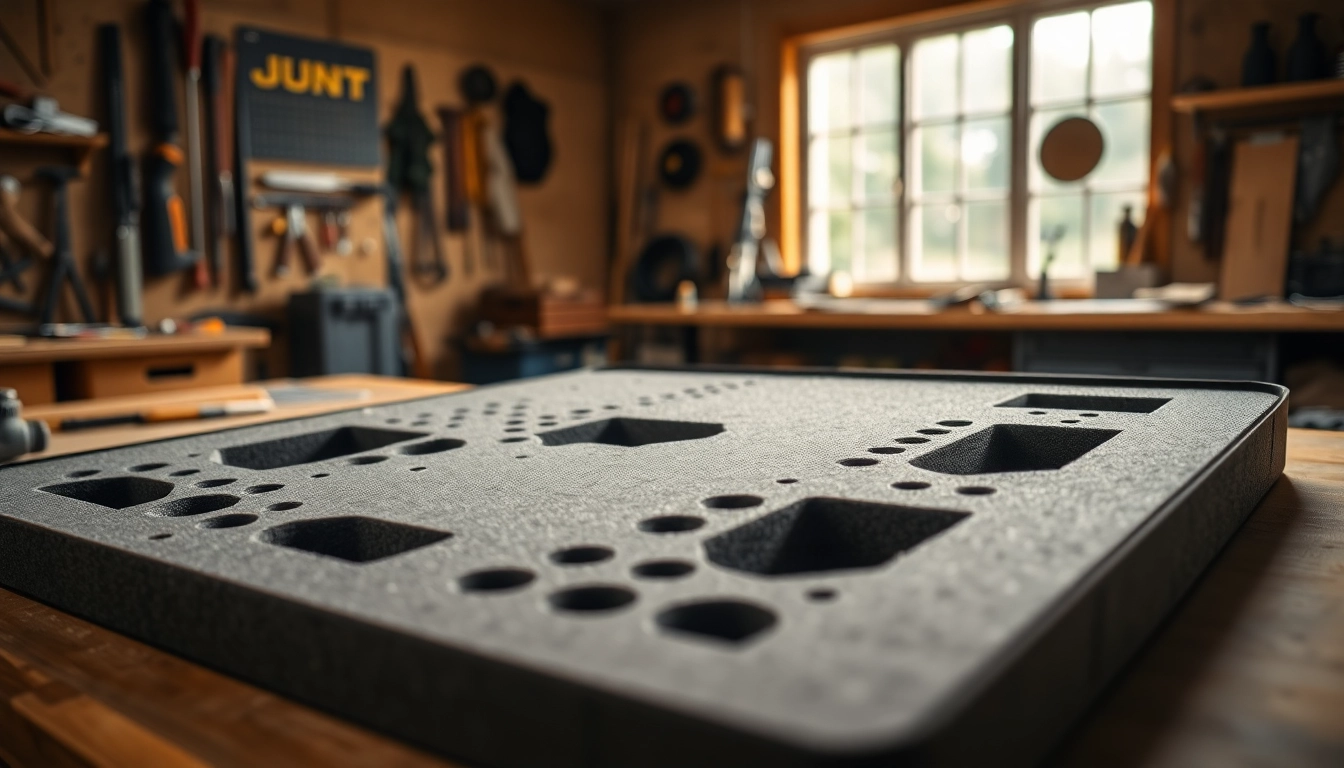
Understanding the Importance of Foam for Rifle Case
When it comes to safeguarding your valuable rifles during transport and storage, selecting the right protective measures is essential. Among these, foam for rifle case plays a pivotal role. Quality foam not only cushions your firearm but also offers structural stability and convenience, ensuring that your rifle remains in optimum condition. This article delves into the nuances of foam for rifle case, exploring its significance, types, measuring techniques, DIY options, and common FAQs surrounding it.
Why Quality Foam Matters
The importance of quality foam in a rifle case cannot be overstated. The right type of foam acts as a barrier between your rifle and potential impacts, moisture, and dust. A poorly constructed foam insert can lead to scratches, dents, or even mechanical failure over time. High-density foam provides the durability required for rigorous use, while specific designs help cradle your rifle securely, preventing any unwanted movement during transport.
Benefits of Custom Foam Inserts
Custom foam inserts are tailored specifically to your rifle’s dimensions. This personalization offers numerous advantages:
- Precision Fit: Ensures that your firearm stays firmly in place.
- Enhanced Protection: Reduces the risk of damage from shocks or vibrations.
- Simplified Organization: Allows designated spaces for accessories like scopes, magazines, or cleaning kits.
- Longevity: Designed to last through frequent use without deteriorating quickly.
Common Materials Used in Foam
Various materials are utilized in foam inserts for rifle cases, each possessing unique characteristics:
- Polyurethane Foam: Soft and flexible, offering good shock absorption.
- Polyethylene Foam: Denser and more rigid, providing superior protection against impacts.
- EVA Foam (Ethylene Vinyl Acetate): Known for its durability and elasticity, making it a popular choice.
- Memory Foam: Offers comfort while conforming to the shape of your firearm, though less commonly used for protection.
Types of Foam for Rifle Cases
Diverse Foam Varieties Explained
Not all foam is created equal; multiple variants are designed to cater to specific needs:
- High-Density Foam: Best for maximum protection, often used for fragile or high-value rifles.
- Soft Foam: Used chiefly in cases where extreme impact is less likely, such as for less expensive firearms.
- Pick-and-Pluck Foam: Features pre-cut squares that allow for customizable cavity formation.
- Die-Cut Foam: Pre-shaped foam tailored for specific models, providing an easy installation experience.
Closed Cell vs. Open Cell Foam
Understanding the differences between closed cell and open cell foam is fundamental when selecting material for rifle cases:
- Closed Cell Foam: Denser, water-resistant, and more durable, making it ideal for heavy-duty use.
- Open Cell Foam: Softer and more flexible, suitable for environments where lightweight and comfort are prioritized.
Choosing the Best Foam Density
The density of foam significantly impacts the protective qualities and weight of your rifle case:
- Low-Density Foam: Lighter and less protective, typically found in budget cases.
- Medium-Density Foam: Offers a balance between weight and protection, suitable for most applications.
- High-Density Foam: Heavy but provides optimal protection against impacts, ideal for premium cases.
How to Measure for Foam Inserts
Step-by-Step Measuring Guide
Accurate measurements are essential for achieving a snug fit for your foam inserts:
- Measure the length of your rifle from muzzle to butt.
- Determine the maximum width at the widest point.
- Record the height, especially around the action and scope.
- Consider extra space for any accessories you wish to include.
Tools Needed for Accurate Measurement
Having the right tools is crucial for obtaining precise measurements:
- Tape Measure
- Calipers for small diameter measurements
- Square for right angles
- Writing materials for notes
Common Mistakes to Avoid
When measuring for foam inserts, avoid the following pitfalls:
- Neglecting to measure the rifle with attachments like scopes.
- Forgetting to account for padding or protective coverings.
- Using a ruler instead of a tape measure for curved surfaces.
DIY Foam Insert Creation
Tools and Materials Needed
Creating your own foam inserts can be a fulfilling project. Here’s what you’ll need:
- High-density foam sheets
- Craft knife or hot wire cutter
- Ruler and measuring tape
- Marker for outlining
Step-by-Step Instructions
Follow these steps to create custom foam inserts for your rifle case:
- Measure and mark the foam sheet according to your rifle’s dimensions.
- Using a craft knife, carefully cut out the perimeter of your markings.
- Cut out specific cavities for the rifle and accessories using a ruler to guide straight cuts.
- Test fit the rifle and refine cuts as necessary for a snug fit.
Tips for a Perfect Fit
To ensure your DIY foam insert is perfect:
- Use the sharpest knife possible for clean cuts.
- Work slowly and make small adjustments to avoid over-cutting.
- Test fit multiple times to ensure a snug fit before finalizing cuts.
FAQs About Foam for Rifle Case
What type of foam is best for rifle cases?
High-density polyethylene foam is typically the best choice for optimum protection, offering superior impact resistance.
How do I clean foam inserts?
Wipe foam inserts with a damp cloth and mild soap; avoid soaking in water, which can damage the foam.
Can I customize pre-made foam?
Yes, you can modify pre-made foam using cutting tools to create custom cavities for your rifle and accessories.
How long does foam last in a rifle case?
Quality foam can last several years, depending on usage, environmental conditions, and care taken during cleaning.
What should I avoid when using foam in my rifle case?
Avoid using damaged foam, as it can lead to inadequate protection; ensure the foam remains dry to prevent deterioration.