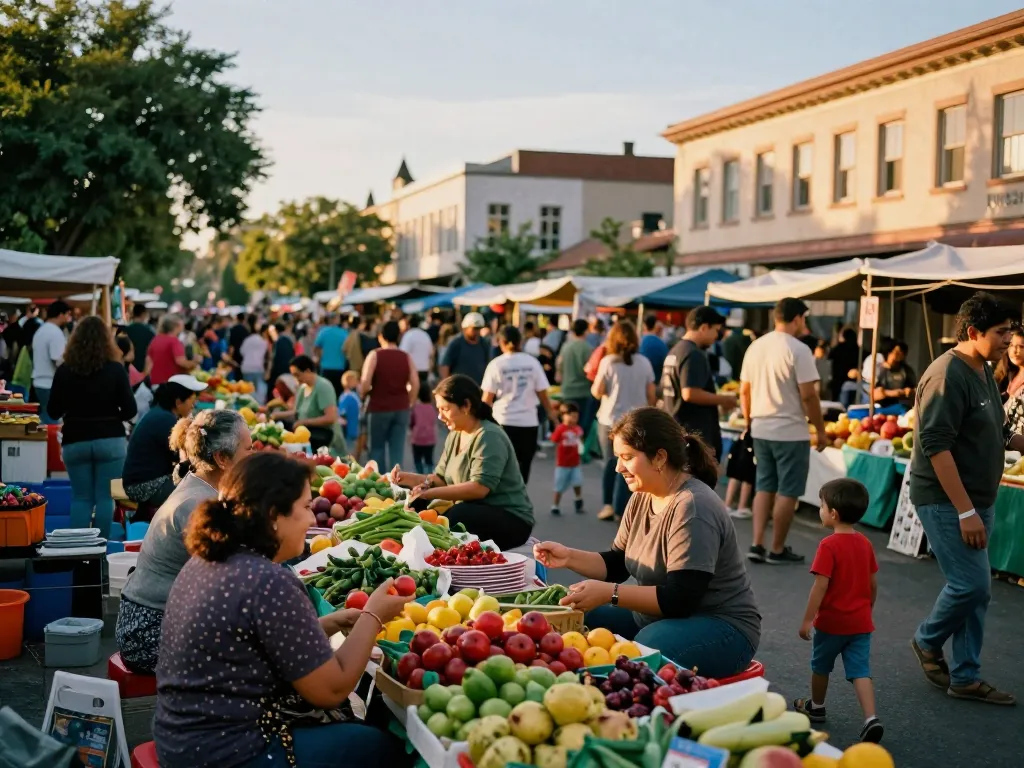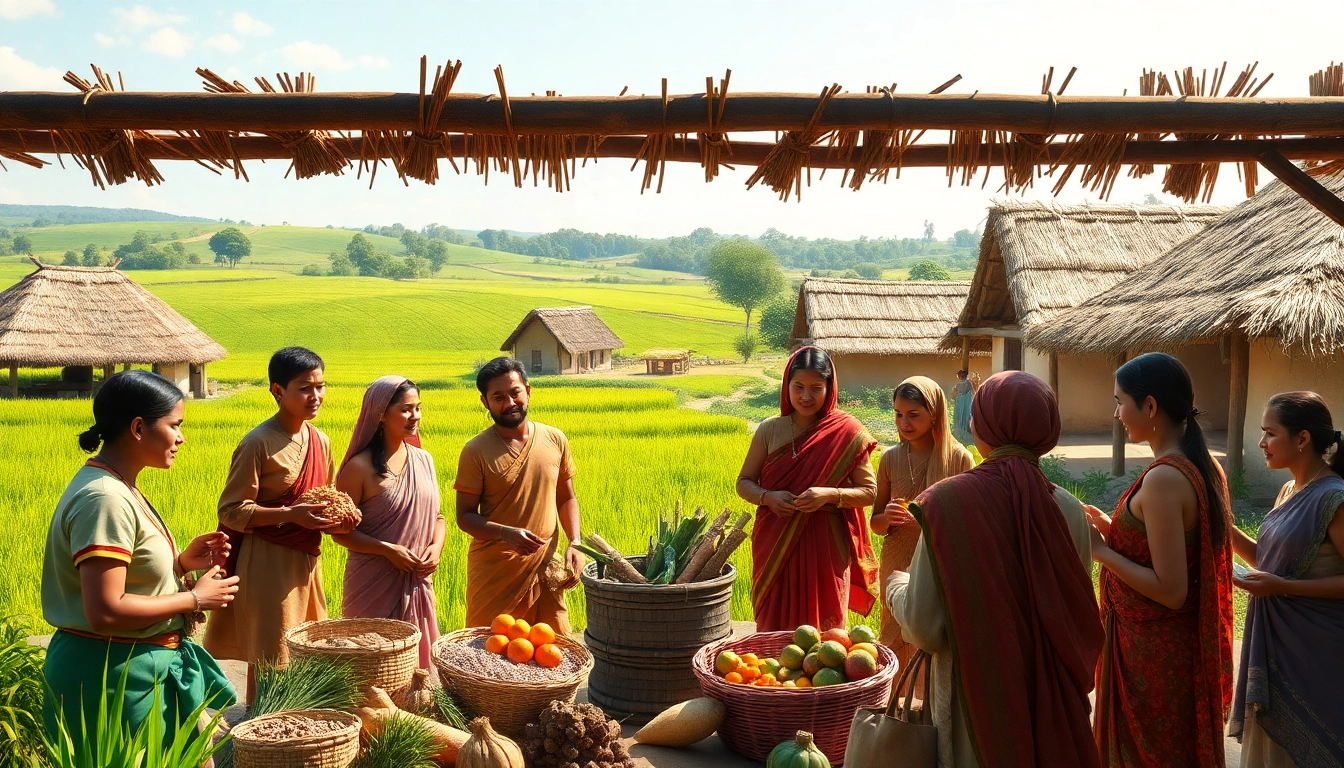
What is a Traditional Economy?
A traditional economy can be described as a system characterized by the production and exchange of goods and services based primarily on customs, beliefs, and history. This economic model, which often involves bartering, relies heavily on subsistence practices, where communities engage in activities that fulfill their basic needs. Unlike modern economies that focus on capital and trade, traditional economies operate purporting a profound understanding of cultural heritage and community cohesiveness.
Key Characteristics of Traditional Economies
Traditional economies exhibit distinct features that set them apart from more contemporary economic systems. Some of the key characteristics include:
- Subsistence Production: Most activities are geared toward meeting the immediate needs of community members rather than producing for mass consumption.
- Bartering System: Goods and services are exchanged directly without the use of money, relying on mutual agreements regarding value.
- Strong Community Ties: These economies function within tightly knit social frameworks where relationships and social ties are vital for transaction facilitation.
- Cultural Practices and Traditions: Economic activities are deeply intertwined with cultural practices, norms, and values, encompassing a sense of shared identity and purpose.
- Limited Division of Labor: Labor roles are often generalized rather than specialized, with individuals contributing to various tasks within the community.
Importance of Community and Culture
The essence of traditional economies lies in their community establishments. Economic activities are less about capital accumulation and more about the strengthening of social bonds. Traditional communities nurture a culture where support systems flourish, often resulting in resource sharing and cooperation to promote stability. Cultural rituals and customs shape the production mechanisms and influence how resources are distributed, ensuring that no individual is left behind.
Comparison with Market Economies
When comparing traditional economies with market economies, several contrasts become evident:
- Resource Allocation: Market economies allocate resources based on supply and demand, while traditional economies often allocate based on customs and community needs.
- Role of Money: Market economies thrive on currency use, whereas traditional economies often operate without it.
- Customization vs. Standardization: Traditional economies tend to customize goods and services based on specific local needs, while market economies often standardize products for mass consumption.
- Growth Orientation: Market economies aim for growth and expansion, while traditional economies prioritize sustainability and the maintenance of cultural identity.
Traditional Economy Definition Simple Explained
A traditional economy definition simple can be succinctly framed as an economic system where goods and services are produced and exchanged based on customs and community traditions rather than monetary systems. It is defined by the social interactions and cultural practices that dictate how resources are shared within the community.
Basic Concepts of Bartering
Bartering serves as the cornerstone of traditional economies, allowing community members to facilitate exchanges without the need for monetary transactions. This practice involves negotiating and trading goods or services directly, fostering relationships and trust among participants. For example, a farmer may exchange a portion of their harvest with a craftsman for handmade tools, thus eliminating the barriers introduced by currency.
Role of Trust and Relationships
In traditional economies, trust is paramount. Since monetary compensation is often absent, relationships built on mutual assistance and cooperation become critical. These connections ensure successful transactions, as individuals rely on their reputation and historical interactions to validate exchanges. A community member's willingness to uphold their end of a bargain is often supported by social pressure and communal respect, which plays a crucial role in maintaining economic order.
Examples from Around the World
Numerous communities worldwide actively engage in traditional economic practices, reflective of their unique cultural identities. For instance, some indigenous tribes in the Amazon rainforest engage in barter systems for goods like fruits, fish, and handmade crafts. In rural areas of Africa, communities often rely on barter and trade for agricultural products, such as trading livestock for grains. These examples illustrate the resilience and adaptability of traditional economies in diverse environments.
How Traditional Economies Operate Without Money
Operating without money does not imply a lack of structure in traditional economies. Instead, these systems create alternative transaction methods that serve as the economic backbone of communities.
Alternative Transaction Methods
A significant aspect of traditional economies is how they implement alternative transaction methods to facilitate exchanges. Besides bartering, traditions such as potlatch ceremonies in some Native American cultures foster community bonding by distributing wealth during communal gatherings. These methods prioritize social welfare over individual gain, reinforcing community ties and shared resources.
Production and Distribution Processes
Production in traditional economies is typically dictated by local needs and environmental factors rather than global demand. Communities often rely on family farms or small-scale operations that produce, consume, and redistribute within local circles. This localized approach allows for a sustainable relationship with resources while minimizing reliance on external markets. Distribution is also characterized by direct exchange, whether through barter or ceremonial practices aimed at maximizing social engagement.
Challenges Faced by Traditional Economies
Despite their resilience, traditional economies face significant challenges. External pressures, such as globalization and climate change, can threaten the sustainability of these systems. Additionally, younger generations may gravitate towards urban areas for economic opportunities, leading to a decline in traditional practices and knowledge transfer. The challenge lies in preserving these economic systems while addressing the pressing needs of modernization and global integration.
Benefits of Participating in a Traditional Economy
Participating in a traditional economy offers a myriad of benefits for individuals and communities alike. Beyond mere economic transactions, these systems foster a rich tapestry of cultural identity and community cohesion.
Building Strong Community Ties
The framework of traditional economies encourages robust community interaction and cooperation. By engaging in barter and shared economic activities, individuals enhance their relationships with peers, leading to a culture of mutual support and trust. This environment fosters a sense of belonging, where collective achievements are celebrated, and social networks are maintained.
Environmental Sustainability
Traditional economies often utilize sustainable practices, as they are closely linked to the land and natural resources harnessed by communities. By prioritizing local production and consumption, these systems encourage the responsible use of resources, minimizing environmental impact. This sustainable approach leads to harmony between communities and their ecosystems, promoting biodiversity and preserving cultural landscapes.
Resilience to Global Market Changes
Traditional economies may possess an inherent resilience against the fluctuations of global market changes. By maintaining self-sufficiency and minimizing dependence on volatile markets, these economic systems can weather economic storms better than others. Communities that prioritize local resources and relationships can adapt more swiftly to challenges without succumbing to external pressures.
Future of Traditional Economies in Modern Society
As the world evolves, traditional economies find themselves at a crossroads, facing the complexities of modernity while striving to retain cultural integrity.
Adaptation to Modern Influences
Though many traditional economies might resist modernization, others are adapting by incorporating elements such as technology and social media. For instance, some communities use mobile apps for exchanging goods, enabling broader reach while preserving core economic practices. This adaptation allows traditional economies to maintain relevance in a rapidly changing world while retaining their essence.
Integration with Global Trade
Traditional economies are experiencing the pull of globalization, leading to a growing interest in integrating with broader market systems. By finding niche markets for their products – such as organic goods or artisanal crafts – communities can thrive without sacrificing their traditions. This delicate balance fosters new economic opportunities while allowing communities to maintain their cultural roots.
Maintaining Cultural Heritage
The preservation of cultural heritage remains paramount for traditional economies. Initiatives promoting cultural education, skill-sharing programs, and local tourism can support economic development while preserving traditions. By valuing and promoting their unique cultural identity, communities manage to thrive on their terms, reinforcing their economic and social frameworks.
Frequently Asked Questions
What defines a traditional economy?
A traditional economy is defined as an economic system where goods and services are produced based on customs and community relationships, often relying on bartering instead of currency.
Why is bartering important in traditional economies?
Bartering is crucial as it facilitates exchanges without money, fostering relationships and trust within communities, allowing for resource sharing based on mutual needs.
How do traditional economies address modern challenges?
Traditional economies often adapt by incorporating modern technologies, enabling broader exchanges while still preserving their cultural practices and community values.
What are the environmental benefits of traditional economies?
Traditional economies promote sustainable practices that prioritize local resources, minimize environmental impact, and enhance biodiversity through responsible resource management.
Can traditional economies survive globalization?
Yes, traditional economies can thrive amidst globalization by finding niche markets while preserving their identity, thus adapting without losing their cultural heritage.