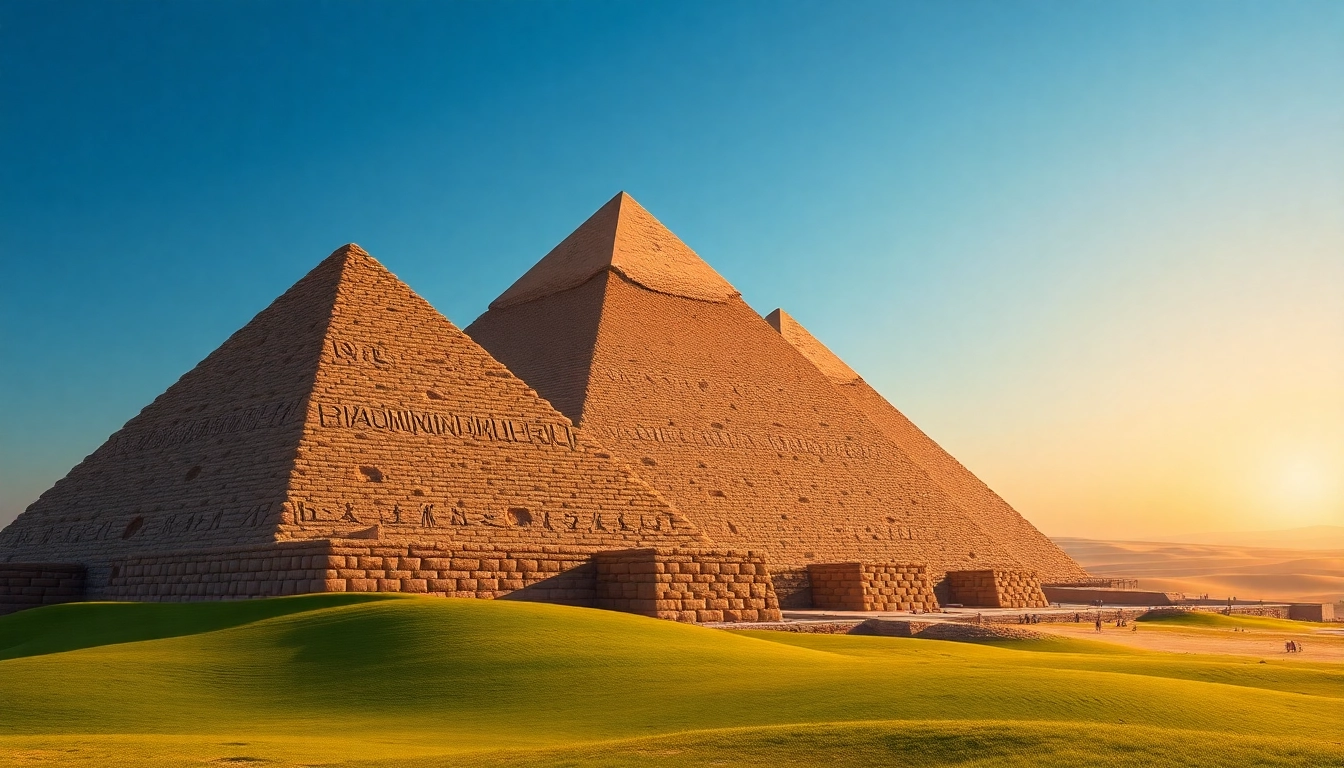
The Historical Significance of Pyraminds
The pyramids are not just architectural marvels; they are a testament to the advanced civilization of ancient Egypt. These colossal structures, primarily built as tombs for pharaohs, manifest extraordinary engineering skills and an intricate understanding of astronomy and geometry. The primary function of the pyramids was to serve as elaborate burial sites, believed to facilitate the transition of the deceased into the afterlife. The piraminds offer valuable insights into the religious, social, and cultural paradigms of ancient Egyptian society.
The Origins and Purpose
The origins of pyramid construction can be traced back to the 3rd Dynasty, evolving from earlier mastaba tombs. The first true pyramids, like the Step Pyramid of Djoser, marked a significant architectural innovation. Their design symbolized a stairway to the heavens, reflecting the Egyptians’ beliefs in the afterlife and the divine right of the pharaohs. These structures were not merely for burial; they were religious monuments embodying the importance of the pharaoh in sustaining cosmic order.
Monumental Architecture
Each pyramid, especially those at Giza, displayed remarkable ingenuity and scale. The Great Pyramid of Giza, the largest, initially stood at 146.6 meters and comprised an estimated 2.3 million blocks of stone. The architectural alignment of these pyramids with the cardinal points illustrates the sophisticated astronomical knowledge of ancient Egyptians. This precision engineering still fascinates modern architects and historians alike.
Cultural Impact on Civilization
The construction of pyramids influenced countless aspects of Egyptian culture, such as art, literature, and religious practices. These structures became symbols of power and divinity, altering how people perceived their kings. Decorated with hieroglyphs, they served not just as funerary sites but also as repositories of religious knowledge and a means to ensure the immortality of the pharaoh's spirit.
Construction Techniques Behind Pyraminds
The construction of pyramids involved complex techniques and a well-organized workforce, elements that continue to intrigue researchers. Understanding these techniques provides insight into the social and economic structures of ancient Egypt.
Materials Used in Building
The primary materials used in pyramid construction included limestone, granite, and mortar. The limestone blocks, quarried locally, formed most of the structure, while harder granite was used in the inner chambers. The choice of materials depended on availability and the intended aesthetics of the structure. For instance, the Great Pyramid's casing originally featured highly polished Tura limestone, adding to its grandeur.
Labor Forces and Organization
The workforce consisted of skilled laborers, architects, and unskilled workers. Contrary to popular belief, it is now understood that these laborers were not slaves, but rather a well-organized group of workers who were provided with food, shelter, and medical care. This organization reflects a highly structured society where labor was organized seasonally, particularly during the Nile’s flood season when agricultural work was suspended.
Innovations in Engineering
Innovative techniques in engineering facilitated the construction of pyramids. One such technique involved creating ramps for transporting heavy stones. Recent theories suggest the use of a circular ramp or zigzagging paths that could be utilized as the pyramid rose. This adaptability in construction methods highlights ancient Egyptians' problem-solving skills and creativity.
Mythology and Symbolism of Pyraminds
The pyramids are steeped in mythology and symbolism, reflecting the spiritual beliefs of ancient Egyptians. They served as a bridge between the earthly realm and the afterlife, embodying profound cultural values.
Religious Beliefs Linked to Pyramids
Pyramids were believed to be physical manifestations of the ancient Egyptian world's metaphysical beliefs. They were seen as a means of ensuring the deceased pharaoh's resurrection and continued reign in the afterlife. The pyramid's shape symbolized rays of sunlight, representing the ascension of the soul to the heavens, reinforcing their crucial spiritual role in Egyptian religion.
The Afterlife Concept in Ancient Egypt
The Egyptian view of the afterlife significantly influenced the design and function of pyramids. They believed in maintaining the deceased's physical form, so mummification and elaborate burial practices were essential. The pyramids housed not just the body but also a wealth of grave goods meant for use in the afterlife, indicating the importance of their beliefs about existence beyond death.
Art and Iconography
The decorations found within pyramids, including carvings and paintings, serve as crucial historical artifacts, providing insights into daily life, religious practices, and the ideology of ancient Egypt. Iconography like the Pharaoh's image, gods, and protective inscriptions were meant to evoke divine favor and protection for the deceased in the afterlife.
Modern Discoveries Related to Pyraminds
Modern archaeology has unveiled numerous insights into the construction, purpose, and societal impact of pyramids through advanced technology and methodologies.
Archaeological Findings
Recent archaeological discoveries continue to shed light on the mysteries of pyramid construction. Excavations near the pyramids have revealed worker villages, tools, and burial sites, providing evidence that laborers were well-treated and organized. These finds help reshape our understanding of how pyramids fit into the broader socio-economic landscape of ancient Egypt.
Technological Advances in Research
Technological advances, such as ground-penetrating radar and 3D imaging, are paramount in exploring undiscovered chambers and passageways within the pyramids. Such technology allows archaeologists to visualize the structures without intrusive digging, preserving the site while revealing hidden secrets.
Preservation Challenges and Solutions
The preservation of pyramids poses significant challenges. Environmental factors such as erosion, pollution, and climate change can deteriorate these ancient structures. Efforts to curb these effects include restoration projects, controlled tourist access, and increased legislative protection of archaeological sites.
Visiting the Pyraminds Today
Today, pyramids are among the most frequented tourist destinations, drawing millions of visitors each year. A visit not only presents an opportunity to witness their grandeur but also to engage with the cultural history of ancient Egypt.
Tourist Attractions and Experiences
The Giza Plateau is home to the three major pyramids, the Sphinx, and a host of other fascinating attractions, served by various tours. Visitors can explore the interiors of the pyramids, learn about their construction, and experience local culture through accompanying exhibits and performances.
Guided Tours vs. Solo Exploration
Choosing between guided tours and solo exploration depends on personal preferences. Guided tours typically provide expert insights and historical context, while solo exploration offers freedom and a more personal experience. Many visitors find a blend of both approaches fulfilling.
Practical Tips for Travelers
Traveling to the pyramids is a remarkable experience; however, preparation enhances enjoyment. Visitors should carry water, wear comfortable shoes, and consider visiting early to avoid crowds. It's also beneficial to check for special events, exhibitions, or workshops available at the site to enrich the experience.
FAQs
1. What are the main pyramids located in Egypt?
The main pyramids are located on the Giza Plateau, including the Great Pyramid of Giza, the Pyramid of Khafre, and the Pyramid of Menkaure.
2. How were the pyramids constructed?
The exact methods are still debated, but they involved ramps, skilled labor forces, and sophisticated logistics in quarrying and transporting stones.
3. What do pyramids symbolize in ancient Egypt?
Pyramids symbolize a pharaoh’s divine authority and serve as a means of ensuring a successful afterlife, connecting the earthly realm to the divine.
4. Can you enter the pyramids today?
Yes, visitors can enter some pyramids, such as the Great Pyramid, but it involves a ticket fee and is subject to time restrictions and regulations.
5. What preservation efforts are in place for the pyramids?
Preservation efforts include restoration projects, environmental management, and regulations limiting tourist access to sensitive areas.