
Understanding Sports Broadcasting Fundamentals
Defining Sports Broadcasting
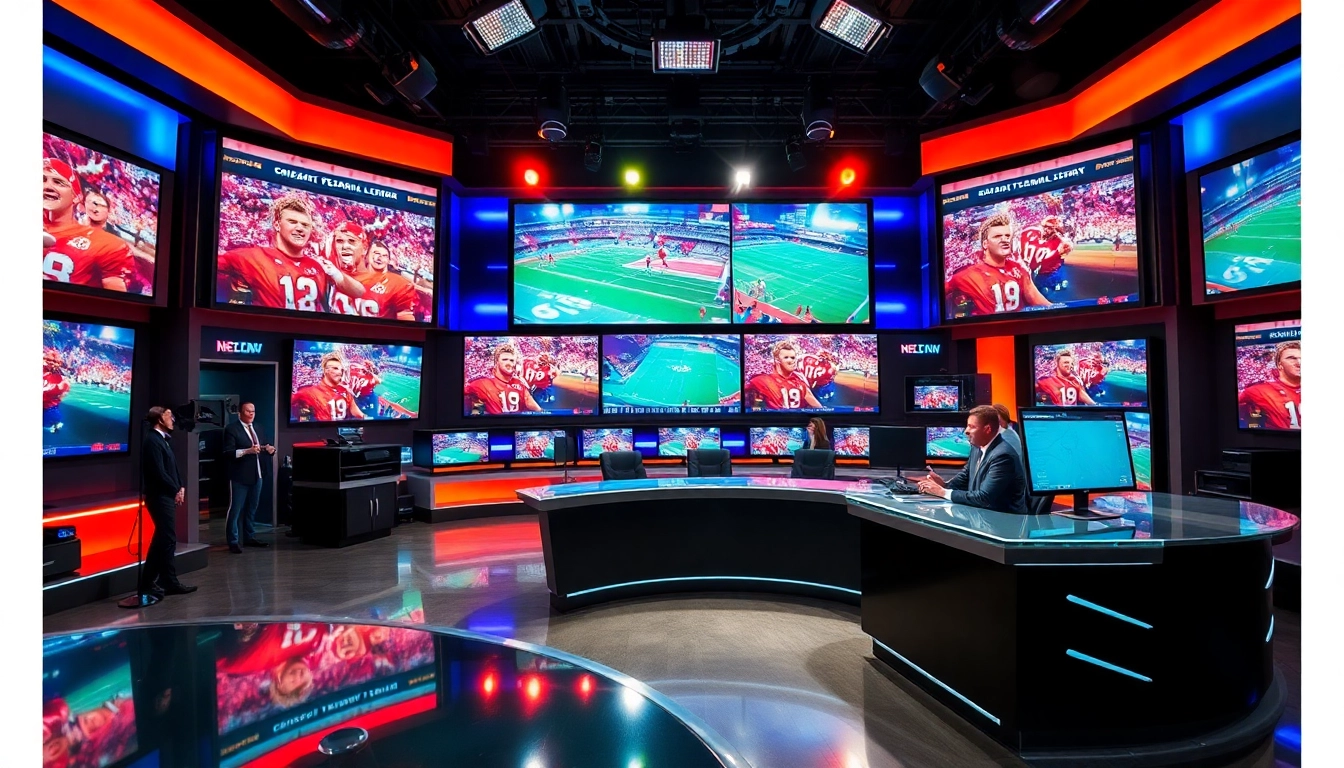
Sports broadcasting is the dissemination of sporting events through audio, visual, or digital media. This vast industry encompasses a variety of formats, including live telecasts, recorded highlights, podcasts, and streaming services. The core aim is to bring sports entertainment to audiences worldwide, allowing fans to engage with their favorite teams and athletes regardless of location. An integral component of the broadcasting landscape, Sports Broadcasting combines journalism, production, and marketing to create compelling viewing experiences.
The Evolution of Sports Broadcasting
Sports broadcasting has undergone significant transformations since its inception in the early 20th century. The first radio broadcasts of live games, which began in the 1920s, laid the groundwork for the industry. As technology advanced, television emerged in the 1950s, revolutionizing how fans consumed sports content. The rise of cable networks in the 1980s allowed for dedicated sports channels, enhancing coverage and analysis.
In recent years, digital advancements have introduced online streaming, mobile applications, and social media platforms, democratizing access to sports content. As we continue into the digital age, understanding these changes provides crucial insights for those looking to thrive in the industry.
Key Players in the Sports Broadcasting Industry
Several entities shape the sports broadcasting landscape, including:
- Networks: Major television networks dominate the industry, negotiating exclusive rights to broadcast popular sporting events.
- Streaming Services: Services like Netflix and Amazon Prime are diversifying their offers to include sports content, attracting a younger audience.
- Sports Leagues and Teams: Partnerships with broadcasters are essential for leagues and teams, providing them with a significant revenue stream.
- Executives and Producers: Creative minds behind the broadcasts ensure that content is engaging, timely, and professionally delivered.
Technological Innovations in Sports Broadcasting
Emerging Technologies Enhancing Sports Broadcasting
The realm of sports broadcasting is continually being reshaped by technological innovations. High-definition and 4K broadcasting enhance visual quality, offering viewers immersive experiences. Innovations like cloud-based production systems allow for greater flexibility and collaboration among production teams, resulting in more dynamic programming. Additionally, the use of artificial intelligence (AI) for analytics is transforming how audiences engage with statistics and narratives.
The Role of Streaming Services in Sports Broadcasting
As viewer preferences shift towards on-demand content, streaming services are revolutionizing how sports are consumed. These platforms offer greater flexibility, allowing fans to watch games at their convenience. Furthermore, many streaming services provide enhanced interactivity, such as customizable viewing angles and real-time statistics. This shift is not just transforming audience habits but also redefining broadcast economics.
Virtual and Augmented Reality in Sports Broadcasting
Virtual and augmented reality technologies are beginning to find their place in sports broadcasting, offering fans unique experiences. Augmented reality graphics can enhance live broadcasts by providing layered information, while virtual reality can transport fans to live events from the comfort of their homes. This technology not only provides a richer viewing experience but also presents new opportunities for advertising and sponsorship.
Creating Compelling Content in Sports Broadcasting
Crafting Engaging Sports Narratives
At the heart of successful broadcasting lies storytelling. Crafting engaging narratives about players, teams, and games can turn ordinary coverage into extraordinary viewing experiences. Broadcasters should strive to highlight personal stories, rivalries, and historical context that resonate with fans. Case studies and expert interviews can further enrich these narratives, making the broadcasts more relatable and interesting.
Incorporating Audience Interaction Strategies
With the rise of social media, audience interaction has become vital. Integrating live polls, Q&A sessions, and social media shout-outs during broadcasts helps to engage viewers actively. Creating a two-way communication channel not only enhances viewer loyalty but also allows for real-time feedback that can shape future content. Building community around the broadcast fosters a deeper connection with the audience.
Utilizing Multimedia in Sports Broadcasting
Combining various media forms—video clips, sound bites, and graphics—can make broadcasts more dynamic. Multimedia elements can highlight key moments, player statistics, and behind-the-scenes footage, enhancing overall engagement. Employing multimedia effectively requires a strategic approach to ensure that it complements rather than detracts from the main content, maintaining focus on the sporting event itself.
Best Practices for Sports Broadcasting Professionals
Essential Skills for Sports Broadcasters
Successful sports broadcasters need a diverse skill set, including:
- Communication Skills: Articulate storytelling and engaging presentations are crucial.
- Technical Proficiency: Understanding broadcasting technology and production tools is essential.
- Analytical Skills: An ability to dissect plays, statistics, and player performances enhances commentary.
- Networking: Building relationships with players, teams, and other broadcasters can be valuable for career growth.
Navigating Ethical Considerations in Sports Broadcasting
Ethics play a significant role in sports broadcasting, as maintaining credibility is paramount for any broadcaster. Issues such as biased reporting, invasion of privacy, and the representation of sensitive issues must be handled with care. Broadcasters should stay informed about industry standards and strive for transparency in their reporting to foster trust with audiences.
Developing a Personal Brand in Sports Broadcasting
In a competitive landscape, developing a distinct personal brand can set broadcasters apart. This process includes honing a unique voice, establishing a niche expertise, and utilizing social media to connect with fans. By actively engaging with audiences and consistently delivering quality content, broadcasters can cultivate a loyal following while enhancing their professional reputation.
Measuring Success in Sports Broadcasting
Key Performance Indicators for Sports Broadcasting
To gauge success in sports broadcasting, professionals should focus on key performance indicators (KPIs). Metrics such as viewer ratings, audience engagement on social platforms, and market reach provide valuable insights into broadcast performance. In addition, monitoring audience retention rates during broadcasts can identify the most engaging segments, informing future content strategies.
Analyzing Audience Engagement and Feedback
Understanding audience preferences through feedback is critical for enhancing future broadcasts. Leveraging surveys and analyzing social media interactions can provide actionable insights. Furthermore, real-time analytics during broadcasts can help producers make on-the-fly adjustments to maintain viewer interest and satisfaction.
Future Trends Impacting Sports Broadcasting Success
As the industry evolves, future trends such as increased personalization of content through AI and adaptive streaming will reshape broadcasting practices. Furthermore, the integration of blockchain technology may provide new models for rights management and content distribution. Staying abreast of these trends will enable broadcasters to remain competitive and create innovative content that resonates with their audience.
Frequently Asked Questions
What is sports broadcasting?
Sports broadcasting is the transmission of sporting events via television, radio, or online platforms, aimed at delivering live or recorded sports content to audiences.
What are the major technologies driving sports broadcasting today?
Key technologies include high-definition broadcasting, streaming services, artificial intelligence for analytics, and virtual/augmented reality for immersive experiences.
How can broadcasters engage with their audience?
Broadcasters can engage audiences through interactive content, social media integration, and live Q&A sessions, fostering a two-way communication channel.
What skills are essential for a successful sports broadcaster?
Essential skills include communication abilities, technical proficiency, analytical acumen, and strong networking capabilities to build industry connections.
What are some ethical considerations in sports broadcasting?
Broadcasters must consider issues of biased reporting, privacy invasion, and the ethical representation of sensitive topics to maintain audience trust.