1. Introduction to Logistics
What is Logistics?
Logistics refers to the comprehensive process of planning, implementing, and controlling the movement and storage of goods, as well as related information, from the point of origin to the final destination. The primary goal of logistics is to ensure that products reach their destination in a timely, efficient, and cost-effective manner. It plays a vital role in the broader field of supply chain management, which encompasses a broader range of activities including procurement, distribution, and inventory management. Logistics strategies are crucial for companies looking to optimize their operations and improve customer satisfaction.
The Importance of Logistics in Business
In today’s globalized economy, effective logistics management is indispensable for businesses of all sizes. Here are several reasons why logistics is fundamental to business success:
- Customer Satisfaction: Timely and accurate delivery of products is essential for meeting customer expectations and enhancing their overall experience.
- Cost Efficiency: Efficient logistics reduces transportation and storage costs, thereby improving profit margins.
- Competitive Advantage: Companies with advanced logistics strategies can outperform their competitors by delivering goods faster and at lower costs.
- Scalability: Robust logistics frameworks allow businesses to scale their operations seamlessly, accommodating fluctuations in demand.
Common Terms and Definitions
Understanding the key terms used in logistics can provide valuable insights:
- Supply Chain: The entire system of production, processing, and distribution of goods.
- Third-Party Logistics (3PL): Outsourcing logistics functions to a third-party company.
- Distribution Center: A facility that stores products and oversees their distribution to end consumers.
2. Components of Logistics
Transportation Logistics Explained
Transportation logistics involves the careful planning and execution of the movement of goods from point A to point B. It encompasses the selection of transportation modes, route optimization, and the management of freight costs. The following factors are crucial in transportation logistics:
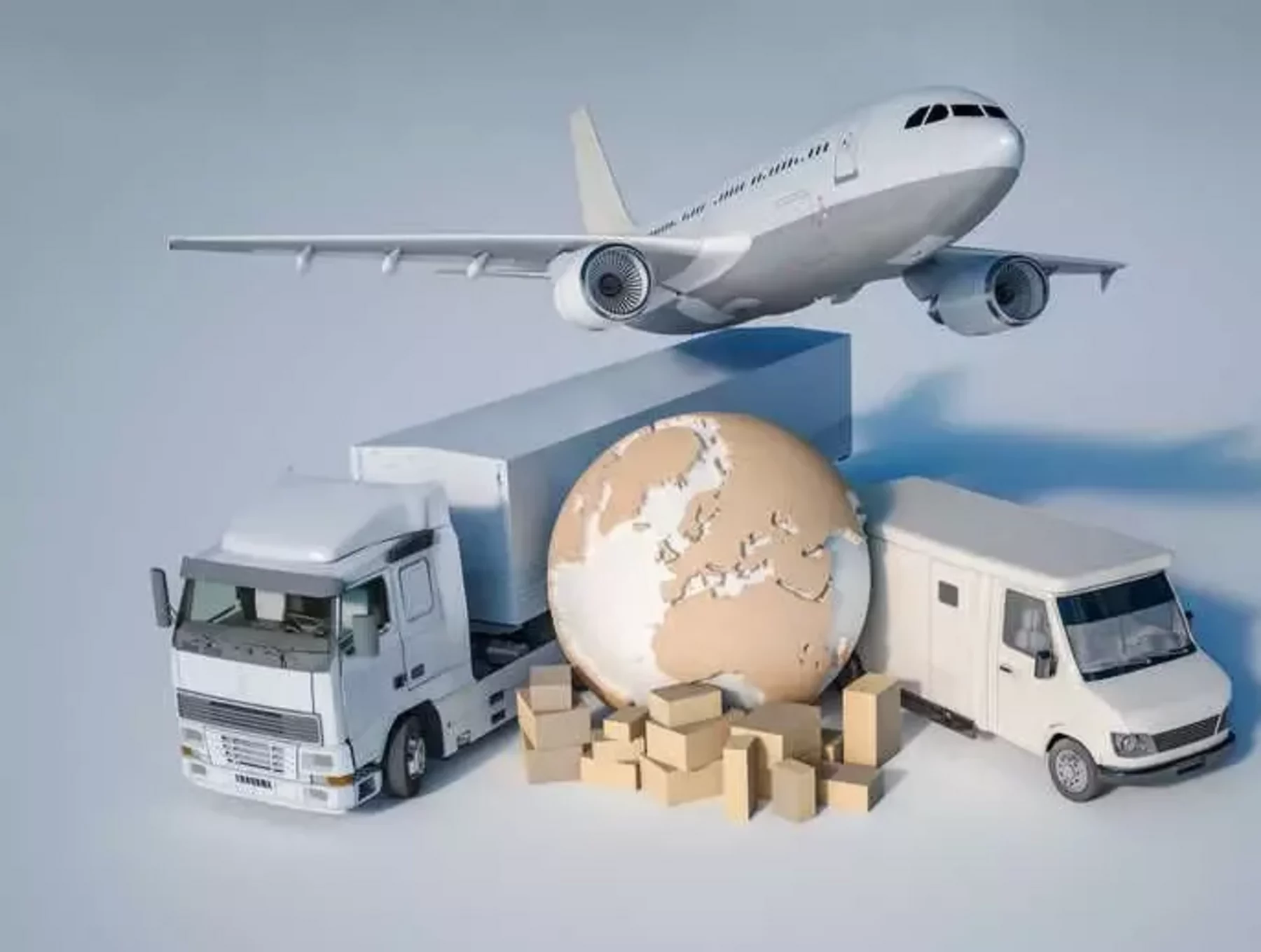
- Mode of Transportation: Options include road, rail, air, and maritime. Each mode has unique advantages and disadvantages affecting cost and time.
- Route Optimization: Utilizing technology to identify the most efficient delivery routes minimizes fuel costs and enhances delivery speed.
- Freight Management: Monitoring shipments, adjusting for delay contingencies, and managing freight costs are paramount in ensuring a smooth delivery process.
Warehousing and Inventory Management
Warehousing is a critical component of logistics, wherein goods are stored until they are needed. Effective inventory management ensures that the correct amount of product is available to meet customer demand without incurring excess storage costs. Key aspects include:
- Inventory Control: Tracking stock levels and managing reorder points to avoid stockouts or overstock situations.
- Warehouse Layout: Designing the warehouse to maximize space efficiency, facilitate fast retrieval, and ensure safety.
- Technology in Warehousing: Implementing warehouse management systems (WMS) enhances logistics accuracy and efficiency.
Distribution and Fulfillment Processes
The distribution process refers to how products are delivered to end customers. This encompasses all activities involved in the movement of goods from warehouses to retail outlets or directly to customers. Fulfillment processes specifically relate to how orders are processed, packed, and dispatched. Important factors include:
- Order Processing: Efficient systems for processing orders quickly and accurately are critical for customer satisfaction.
- Shipping and Handling: Efficient packaging and handling ensure that products are shipped with minimal risk of damage.
- Last-Mile Delivery: This is often the most complex and costly part of the delivery process, focusing on getting the product from the local distribution center to the customer’s doorstep.
3. Types of Logistics Services
Third-Party Logistics (3PL) Providers
Third-party logistics providers (3PLs) offer an array of services tailored to meet the logistics needs of businesses. They allow companies to outsource their logistics operations, enabling them to focus on their core business activities. 3PL services may include:
- Transportation: Managing freight shipping and freight forwarding.
- Warehousing: Providing storage solutions and order fulfillment services.
- Inventory Management: Assisting companies in tracking their stock levels and managing their supply chain.
Utilizing 3PL services can lead to enhanced flexibility, scalability, and potential cost savings, particularly for small to mid-sized businesses looking to grow without large investments in infrastructure.
Reverse Logistics: Handling Returns
Reverse logistics refers to the processes involved in handling returns, recycling, and disposing of products. This area has grown significantly due to increased online shopping and consumer expectations for hassle-free returns. Effective reverse logistics include:
- Returns Management: Streamlining the process for customers to return products easily.
- Repair and Refurbishment: Assessing whether returned products can be repaired, refurbished, or refurbished for resale.
- Recycling and Disposal: Ensuring eco-friendly disposal practices for products that cannot be resold.
Integrated Logistics Solutions
Integrated logistics solutions combine various logistics services under one provider’s umbrella. This approach allows for better coordination across different logistics functions, leading to enhanced efficiency and visibility throughout the supply chain. Benefits include:
- Streamlined Operations: Collaborating under one provider simplifies communication and operational management.
- Cost Reduction: Bundling services can lead to significant savings in logistics costs.
- Improved Customer Experience: A unified logistics approach often results in higher service levels and quicker response times.
4. Challenges in Logistics Management
Dealing with Supply Chain Disruptions
Supply chain disruptions can be caused by various factors, including natural disasters, geopolitical events, and unforeseen demand spikes. Effective logistics management must include contingency planning to mitigate the impact of such disruptions. Strategies can include:
- Diversification of Suppliers: Avoiding dependence on a single supplier or region protects against localized disruptions.
- Enhanced Visibility: Investing in technology that provides real-time tracking can help companies respond swiftly to issues as they occur.
- Scenario Planning: Conducting “what-if” analyses to prepare multiple response strategies for different types of disruptions.
Cost Management Strategies in Logistics
Managing logistics costs is a perpetual concern for businesses. Implementing effective cost management strategies can significantly impact a company’s bottom line. Key strategies may include:
- Utilizing Technology: Automation and analytics tools can help identify inefficiencies and reduce operational costs.
- Negotiating with Carriers: Building strong relationships with carriers and negotiating rates can lead to lower freight costs.
- Implementing Lean Practices: Applying lean principles can help eliminate waste in logistics processes and improve efficiency.
Regulatory Compliance in Transportation
Logistics operations must adhere to various federal, state, and local regulations related to transportation and safety. Regulatory compliance can be complex but is essential for avoiding penalties. Important considerations include:
- Documentation: Keeping accurate records of shipments and ensuring that all necessary documentation is complete and readily available.
- Safety Regulations: Adhering to safety regulations for transporting hazardous materials or operating certain types of vehicles.
- Customs Compliance: Ensuring all customs documentation is in order for international shipments to prevent delays.
5. Future Trends in Logistics
Impact of Technology on Logistics
The logistics industry is being transformed by technology, which improves efficiency, visibility, and customer service. Key technological trends include:
- Artificial Intelligence: AI is being utilized for route optimization, demand forecasting, and even autonomous vehicles in logistics.
- Blockchain: This technology provides a secure and immutable ledger for tracking shipments and verifying documentation throughout the supply chain.
- Internet of Things (IoT): IoT devices are enhancing visibility through real-time tracking and monitoring of goods in transit.
Sustainability Practices in Logistics
Sustainability has become increasingly important in logistics, driven by consumer preferences and regulatory pressures. Companies are exploring eco-friendly logistics practices such as:
- Efficient Routing: Using software that calculates the most efficient routes to reduce fuel consumption.
- Green Packaging: Shifting to recyclable or biodegradable packaging materials.
- Carbon Offsetting: Investing in initiatives that offset fossil fuel consumption and reduce overall carbon footprints.
Global Trends and Market Forecasts
The logistics industry is continuously evolving, driven by changes in consumer expectations, global trade dynamics, and economic conditions. Some global trends to watch include:
- Increased E-Commerce: As e-commerce continues to grow, demand for fast, reliable logistics solutions will increase.
- Shift Towards Automation: More companies are automating aspects of logistics to increase efficiency and reduce costs.
- Focus on Customer Experience: Companies are prioritizing logistics solutions that enhance the customer experience through faster delivery and better tracking capabilities.